
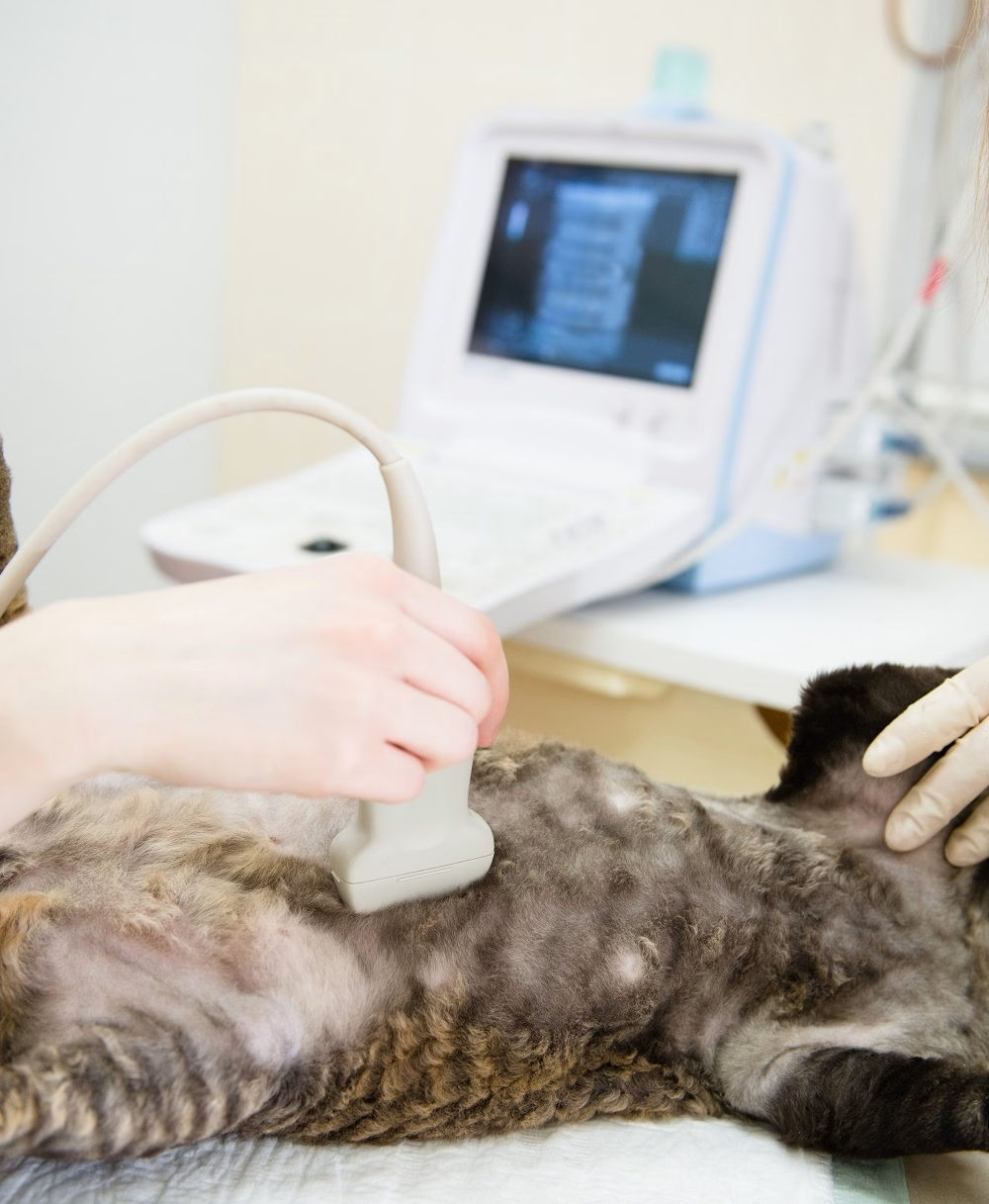
Advanced Pet Ultrasound in East Boston, MA
When your pet needs a closer look at internal organs and soft tissues, ultrasound can provide valuable answers. East Boston Animal Hospital offers pet ultrasound in Boston, MA to help diagnose and monitor a wide range of conditions in dogs and cats. Call (617) 567-0101 to schedule an appointment.
Book an Appointment
What Veterinary Ultrasound Is Used For
Ultrasound is a non-invasive imaging method that uses sound waves to create real-time images of soft tissues and internal organs. It is often helpful for evaluating abdominal structures, fluid buildup, masses, and certain heart-related concerns.
When Pets May Need Ultrasound
Your veterinarian may recommend ultrasound when a pet has unexplained vomiting, diarrhea, weight loss, appetite changes, abdominal pain, or urinary concerns. It may also be used for pregnancy confirmation and other internal evaluations.
Comfortable Diagnostic Imaging
Most ultrasound studies are completed without surgery and usually do not require sedation, although it may be recommended in some cases. The process is generally quick and well tolerated.
Additional Diagnostic Support
Ultrasound is often used together with digital X-rays for pets, on-site pet diagnostics, and pet surgery when a more complete picture of your pet’s health is needed.
Areas We Serve
We proudly care for pets in East Boston, Revere, Winthrop, Chelsea, and surrounding Greater Boston communities.
Pet Ultrasound FAQs
Is ultrasound safe for pets?
Yes. Ultrasound is a safe, non-invasive procedure that does not use radiation.
Does my pet need sedation for an ultrasound?
Most pets do not need sedation, but it may be recommended to help keep some pets calm and still.
How long does an ultrasound take?
Many ultrasound procedures take between 20 and 45 minutes, depending on the exam.
What is the difference between ultrasound and X-rays?
Ultrasound is especially useful for soft tissues and organs, while X-rays are often better for bones and dense structures.
When will I get the results?
In many cases, results are reviewed shortly after the procedure so next steps can be discussed promptly.
Can ultrasound detect every internal problem?
Ultrasound is highly useful, but some pets may still need additional testing for a complete diagnosis.